Guide
Quality and Origin of
Styrian Pumpkin Seed Oil
Real Styrian pumpkin seed oil is tied to a place and a process. A trustworthy label names the producer, the origin, and enough detail that you can verify both.
A Regional Speciality,
Not a Generic Seed Oil
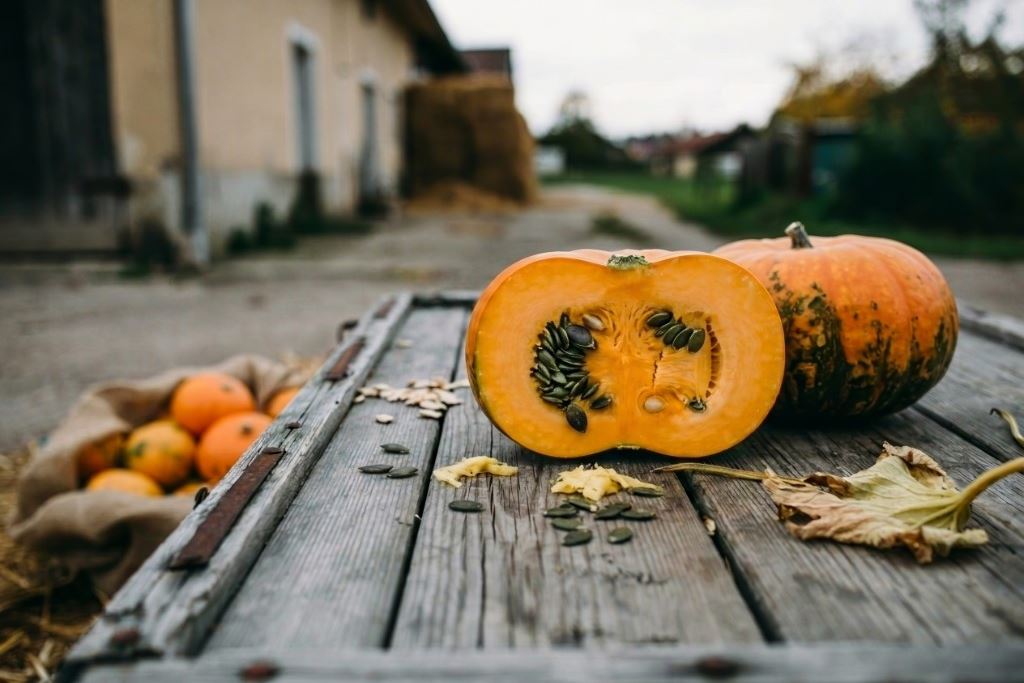
Styria (Steiermark) in Austria is the cultural home of this oil. Farmers grow hull-less oil pumpkins; mills roast and press the seeds. The result is a regional speciality with a strong local identity — and a following far beyond Austria.
When a bottle says “Styrian,” look for a named producer or mill and origin wording you can check. Vague “gourmet pumpkin oil” claims without place or producer are a weaker signal.
PGI / g.g.A. —
What the Protected Name Means
In the EU, certain foods carry a protected geographical indication (PGI; German: g.g.A.). Styrian pumpkin seed oil belongs to that protected-name tradition: the name is meant to connect the product with defined origin and production expectations.
Read the label yourself. Prefer sellers who state origin and producer plainly — and treat decorative “seal” imagery without a real protected-name claim with healthy scepticism.
How Roasting and Pressing
Shape the Oil
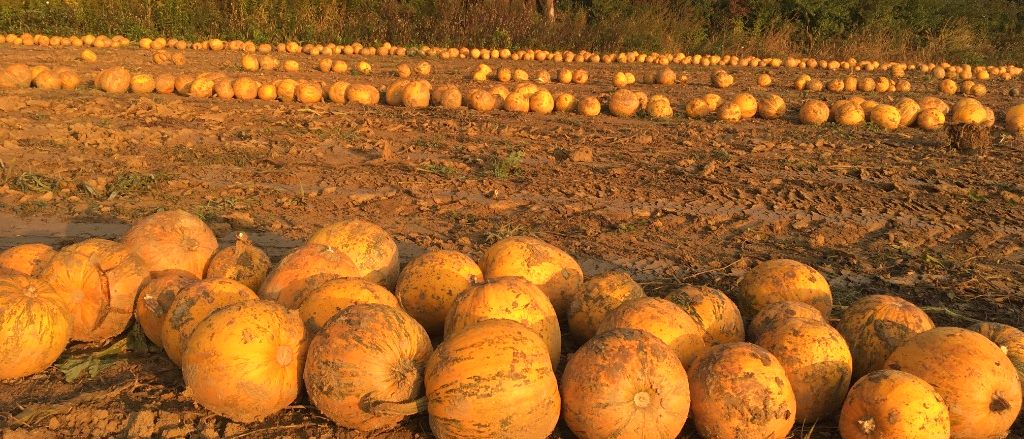
After harvest, seeds are cleaned and roasted. Roasting builds the characteristic aroma. Pressing then releases the dark oil. Mills have house styles — some oils taste rounder, some more roasted — but the family resemblance should be clear: dark colour, seed aroma, finishing use.
Freshness matters. Heat, light, and air age the oil. A careful producer dates lots and ships with care; a careful kitchen keeps the bottle cool and closed between pours.
Quality Cues
Before You Buy
- Dark green to nearly black appearance in the bottle
- Clean roasted-seed aroma when opened
- Named producer or mill plus clear origin information
- Packaging that limits light (often dark glass)
- A use-by or lot date you can find
Ready for the kitchen? See how to use Styrian pumpkin seed oil, or skim the FAQ for quick answers.